
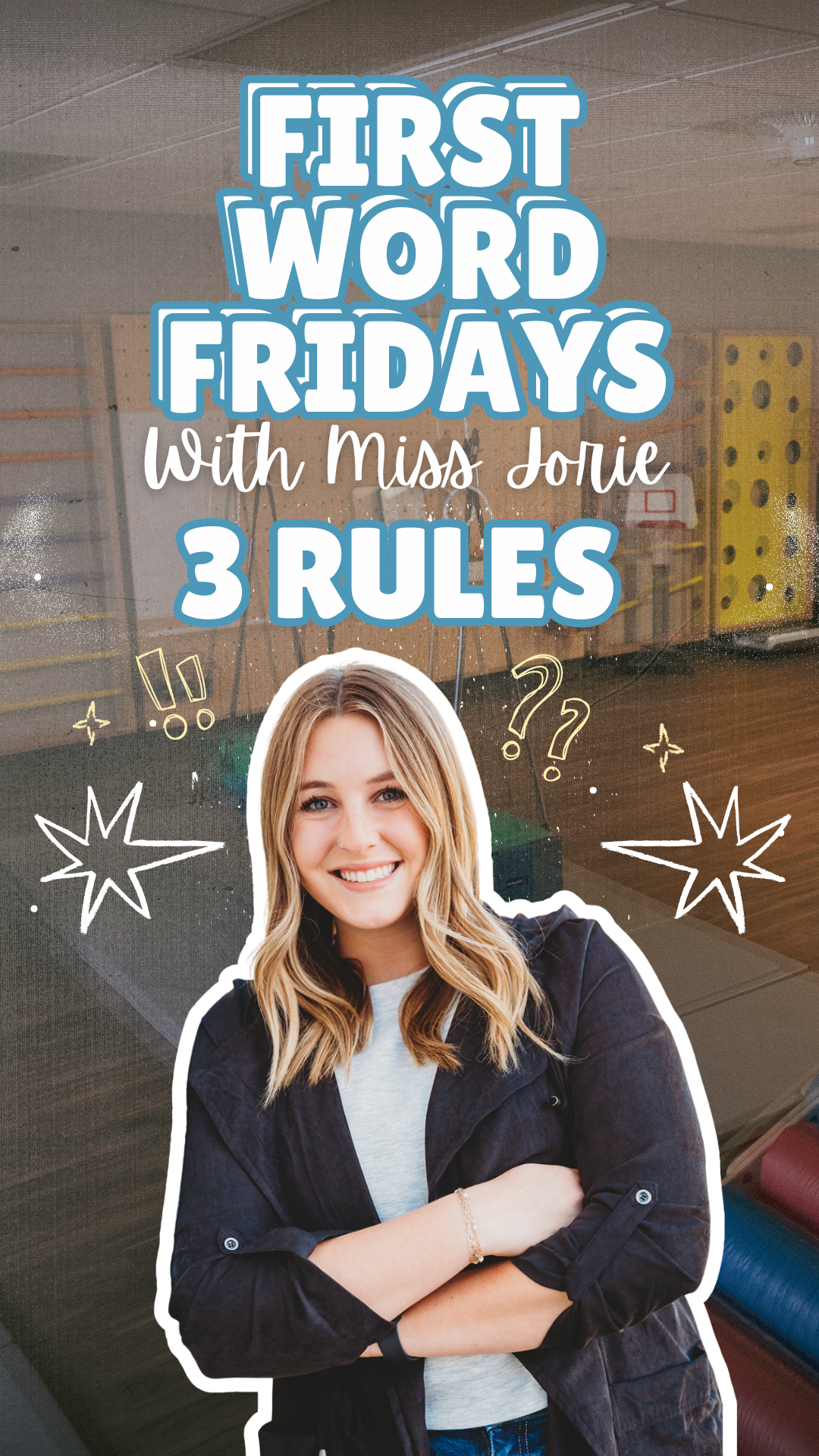
When Is a Sound Actually a Word?
When is a sound actually a word?
Many parents wait for first words to sound “right,” but early language doesn’t work that way. A first word doesn’t need perfect pronunciation — it needs meaning, consistency, and intent.
In this First Word Friday video, our speech-language pathologists explain the three simple rules that help determine whether a child’s sound (or gesture) counts as a real word — and how parents can support language growth at home through everyday interactions, not drills.
If your child is vocalizing, gesturing, or attempting to communicate, language may already be developing. You just need to know what to listen for.

Encouraging Language Development Through Play
Play is more than fun—it’s how children learn to communicate. In this article, Miss Jorie, SLP at Prairie Grit Therapy, shares how parents can use everyday play to build their child’s language skills. You’ll find age-based tips, toy suggestions, and strategies to turn simple playtime into meaningful connection.

How Occupational Therapy Can Help with Sensory Processing Difficulties
Navigating sensory meltdowns can be challenging for parents. Occupational therapy offers structured activities, sensory diet planning, and environmental modifications to help children regulate their sensory experiences and thrive.

The Importance of Early Intervention
As your child grows, you’ll grow with them, and you will notice things. You’ll notice things they do well, and things they don’t. You’ll eventually compare them to other children. This is normal and while it’s important to let your child grow at their own pace there are times when you might need to step in with therapy to help put that baby back on track.